


Guide to Mediterranean fish and their habitats
Updated: Jul 7
The Mediterranean Sea is home to a fascinating diversity of fish. Each species has its own habitat, behaviors, and characteristics. Understanding these fish and their natural environments enriches the diving experience and helps to better protect this fragile ecosystem.
The most common Mediterranean fish and their habitats
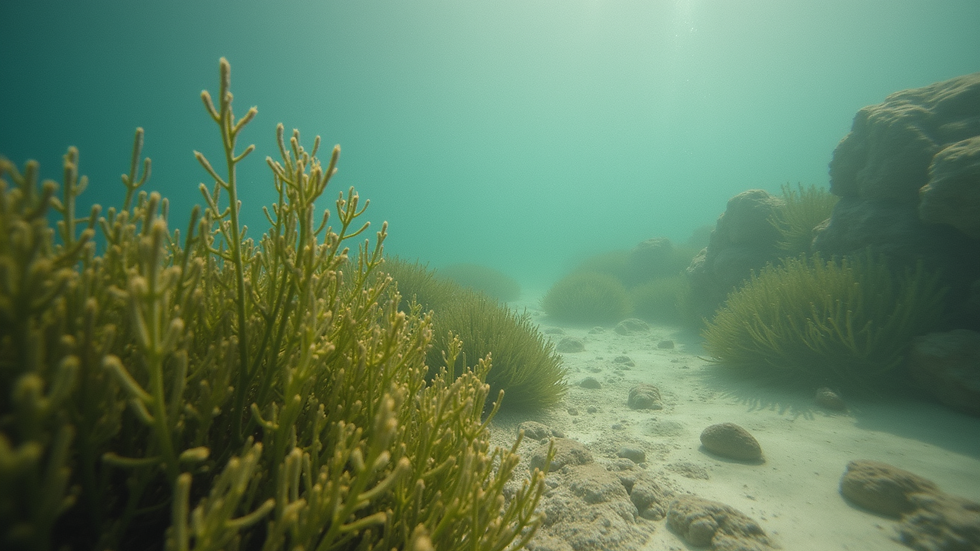
The Mediterranean is a semi-enclosed sea with a wide variety of underwater habitats. These include rocky areas, Posidonia seagrass meadows, sandy bottoms, and artificial reefs. Each habitat attracts specific species.
Fish from rocky areas
Rocky areas provide hiding places and surfaces for algae. They often shelter colorful and active fish.
The dusky grouper : This large fish can reach 1.5 meters in length. It lives in caves and rocky crevices. It is often observed during dives in marine parks.
The red scorpionfish : This camouflaged fish is found on rocky bottoms. Its bright red color makes it easy to spot.
The grouper : A small carnivorous fish, it likes rocky areas where it hunts small crustaceans.
Fish from Posidonia seagrass meadows
Posidonia seagrass meadows are essential for biodiversity. They stabilize the sand and provide food and shelter.
The green wrasse : This colorful fish frequents seagrass beds. It feeds on algae and small invertebrates.
The damselfish : A small, lively fish, it lives in schools in seagrass beds. It is often prey for larger fish.
The mullet : This fish feeds on plants and small organisms found in seagrass beds.
Fish from sandy bottoms
Sandy bottoms are often less rich in biodiversity, but some fish have adapted to them.
The sole : A flatfish that camouflages itself in the sand. It hunts small crustaceans.
The goby : A small fish that digs burrows in the sand.
The ray : It moves slowly on the sand, often partially buried.

How habitats influence fish lives
Each habitat offers specific conditions: light, food, protection. These factors determine where fish live and how they behave.
Protection from predators : Rocks and seagrass beds offer hiding places. Fish find refuge there.
Food availability : Seagrass beds are rich in algae and small animals. Sandy bottoms have fewer resources.
Reproduction : Some fish lay their eggs in protected areas such as caves or seagrass beds.
Divers can observe these behaviors while respecting safety and environmental protection rules. For example, avoiding touching corals or disturbing fish.
Discover Mediterranean fish with AREAMARE Diving Center
To explore these habitats and observe Mediterranean fish, it is advisable to contact professionals. The AREAMARE Diving Center in La Maddalena, Sardinia, offers diving trips adapted to all levels.
The center offers PADI courses to teach you how to dive safely. The guides have extensive knowledge of the dive sites and local species. They share information about the fish and their habitats, enriching the experience.

In addition to diving, AREAMARE offers quality equipment rental. For example, their wetsuits and regulators are adapted to local conditions, guaranteeing comfort and safety.
Comparing services for an optimal experience
Guided diving trips : Ideal for discovering fish and their habitats in complete safety.
PADI courses : For those who want to learn or improve their skills.
Equipment rental : Convenient for travelling light and enjoying suitable equipment.
These combined services allow for a complete and nature-friendly experience.
Tips for observing Mediterranean fish while diving
Observing fish requires patience and respect. Here are some tips to fully enjoy marine wildlife.
Stay calm and slow : Sudden movements frighten the fish.
Keep your distance : Do not touch the fish or the coral.
Use a suitable mask and snorkel : To see clearly without obstructing the view.
Dive with a guide : He knows the best spots and the behavior of the fish.
These good practices ensure successful observation and habitat preservation.
Conclusion
The Mediterranean Sea offers a unique wealth of fish and habitats. Understanding these environments helps us better appreciate diving and protect marine life. Rocky areas, seagrass meadows, and sandy bottoms each support specific species.
To experience this, the AREAMARE Diving Center in Sardinia is an excellent option. Its diving services, training courses, and equipment rentals allow you to discover Mediterranean fish in the best possible conditions.
By respecting diving rules and observing nature carefully, everyone can contribute to the preservation of these precious ecosystems. Diving in the Mediterranean also means immersing oneself in a living and fragile world, one that must be protected for future generations.
Discover more about Mediterranean fish and prepare for your next underwater adventure.


Comments